
Why Rodent Droppings and Hantavirus Risks Should Never Be Ignored
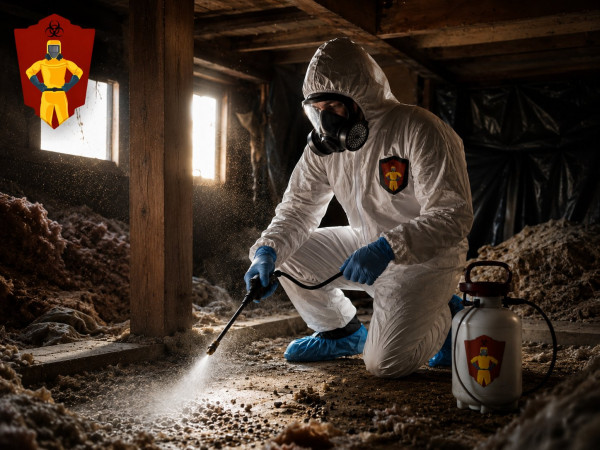
Finding rodent droppings inside a home or business can be easy to dismiss as an unpleasant but manageable mess. A property owner may see a few droppings in an attic, garage, crawlspace, storage room, or warehouse and assume the area simply needs to be swept or vacuumed. However, visible droppings may be only one sign of a larger contamination problem.
Rodents can leave behind urine, saliva, nesting materials, contaminated dust, odors, and affected insulation long after they are no longer visible. For property owners throughout Fayetteville, Springdale, Fort Smith, Bentonville, Rogers, Van Buren, AR, and the surrounding Northwest Arkansas communities, understanding the risks associated with rodent waste can help prevent unsafe cleanup decisions.
Hantavirus is one example of a virus associated with infected rodent waste. A rodent infestation does not automatically mean Hantavirus is present, but droppings and nesting materials should still be handled carefully because contamination may spread when affected areas are disturbed improperly.
Visible Rodent Droppings May Signal a Larger Hidden Problem
Rodent droppings are often discovered in areas that are rarely inspected closely. Attics, crawlspaces, garages, storage rooms, warehouses, vacant buildings, and rental properties can provide sheltered areas where rodents remain active before anyone realizes there is a problem.
By the time droppings are discovered, rodents may have already contaminated insulation, stored belongings, boxes, shelving, floor surfaces, wood framing, or hidden areas near walls and utility openings. Nesting materials and urine odors may also remain after the rodents have been removed or the entry points have been sealed.
This is why rodent droppings should not be viewed as only a cosmetic issue. Even a property that appears otherwise clean may have contamination in difficult-to-access areas that require more attention than ordinary household cleaning.
Why Hantavirus Concerns Matter During Rodent Cleanup
One of the concerns associated with infected rodent waste is Hantavirus. Potential exposure concerns may increase when contaminated droppings, urine, nesting materials, or dust are disturbed during cleanup, remodeling work, storage cleanouts, insulation removal, or property maintenance.
The important point for property owners is not to panic or assume that every rodent infestation involves Hantavirus. The safer takeaway is that rodent waste should not be cleaned carelessly, particularly when contamination is widespread, located in an enclosed space, or mixed with insulation and nesting debris.
T.A.C.T. of NWA provides professional Hantavirus cleanup, rodent droppings cleanup, and Hantavirus prevention services for affected homes and businesses throughout Northwest Arkansas.
Sweeping or Vacuuming Droppings Can Spread Contaminated Material
A common response after finding rodent droppings is to reach for a broom or vacuum. Unfortunately, dry cleanup methods can disturb droppings, urine residue, nesting debris, contaminated dust, and insulation fibers. Once disturbed, those materials may spread through the air or into surrounding portions of the property.
This can be especially concerning in enclosed or poorly ventilated areas such as:
- Attics containing droppings or contaminated insulation
- Crawlspaces with nesting debris or limited ventilation
- Garages and storage rooms containing affected belongings or boxes
- Warehouses and commercial facilities with larger affected areas
- Vacant buildings and rental properties where contamination may have accumulated over time
When droppings are widespread, mixed with nesting materials, or found alongside contaminated insulation and strong odors, professional rodent droppings cleanup may be the safer and more thorough next step.
Removing the Rodents Does Not Remove What They Left Behind
Pest control is important when rodents are active inside a property, but removing the infestation is not the same as cleaning the contaminated area. After rodents are removed, droppings, urine, nesting materials, odors, and affected insulation may remain inside the structure.
For example, rodent activity inside an attic may leave contamination throughout insulation and stored materials. Activity inside a crawlspace may affect surfaces that are difficult to reach or inspect. In a warehouse, commercial property, or rental unit, contamination may extend beyond a single visible location.
Professional cleanup is intended to address what remains after rodent activity has occurred. Depending on the property and the extent of contamination, cleanup may involve careful removal of droppings and nesting debris, treatment of affected surfaces, removal of materials that cannot be properly cleaned, odor reduction, and disinfection of contaminated areas.
When Rodent Droppings Cleanup Should Be Handled Professionally
Not every property experiences the same level of rodent contamination. However, property owners should avoid casually disturbing an affected area when there is evidence that contamination may be extensive or hidden in materials that are difficult to clean.
Professional cleanup may be appropriate when you discover:
- Large amounts of rodent droppings or widespread waste
- Nesting materials inside an attic, crawlspace, storage area, or garage
- Contaminated insulation or debris that cannot be easily cleaned
- Persistent urine odors after rodents have been removed
- Contamination inside a rental property, warehouse, business, or vacant building
- Possible contamination near vents, ductwork, utility areas, or HVAC-related openings
For properties with broader disinfection needs, T.A.C.T. of NWA also provides professional biohazard disinfection services for areas affected by viruses, bacteria, and other contamination concerns.
What to Do If You Discover Rodent Droppings Inside Your Property
If you discover rodent droppings or nesting materials, avoid disturbing the area unnecessarily. Do not assume that a dry or abandoned-looking area is free of contamination concerns. It is also important to address active rodent entry points through appropriate pest-control measures so the problem does not continue.
Once rodent activity has been addressed, professional cleanup can help remove contaminated materials, disinfect affected areas, and reduce lingering sanitation concerns inside the property. This is especially important when the affected area involves insulation, enclosed spaces, stored belongings, or larger residential and commercial environments.
Rodent Droppings and Hantavirus Cleanup in Northwest Arkansas
T.A.C.T. of NWA provides professional Hantavirus cleanup, rodent droppings cleanup, and biohazard disinfection services throughout Fayetteville, Springdale, Fort Smith, Bentonville, Rogers, Van Buren, AR, and the surrounding areas. Our team helps homeowners, landlords, property managers, businesses, and facility operators address rodent contamination with detailed cleanup and professional disinfection procedures.
If you find rodent droppings, nesting debris, urine odors, contaminated insulation, or possible Hantavirus exposure concerns inside your property, call T.A.C.T. of NWA today or contact us online to learn more about professional cleanup and disinfection services.
Latest news
Hantavirus Cleanup, Rodent Droppings Cleanup, and Hantavirus Prevention in Fayetteville, Springdale, Fort Smith, Bentonville, Rogers, Van Buren, AR. Learn Why Proper Cleanup Matters.
Read More
Reading The Signs: When Is It Time to Call in Professionals for Estate Cleanout in Bentonville, AR, Fayetteville, AR, Fort Smith, AR, Rogers, AR, and Springdale, AR. Home Cleanout.
Read More
When Do You Need Commercial Disinfection Services in Bentonville, AR, Fayetteville, AR, Fort Smith, AR, Rogers, AR, and Springdale, AR. Home Disinfection Services and Home Cleanout.
Read More